
Comparing Lead to Recovery Addiction Treatment Marketing Agency and Behavioral Health Partners: Key Differences Explained
Selecting a marketing partner for an addiction treatment facility requires more than comparing service lists. Providers must consider whether an agency understands the behavioural health sector, can attract qualified enquiries, supports sustainable growth, and has the experience to align marketing with the realities of treatment centre operations.
A search for a Lead to Recovery addiction treatment marketing agency may introduce facility owners to a specialist provider offering digital strategies for addiction treatment and mental health organisations. Behavioral Health Partners serves the same specialised market, but its broader combination of marketing, consulting, programme development, and operational growth support creates a notably different partnership model.
Why Behavioral Health Partners Is the Better Choice
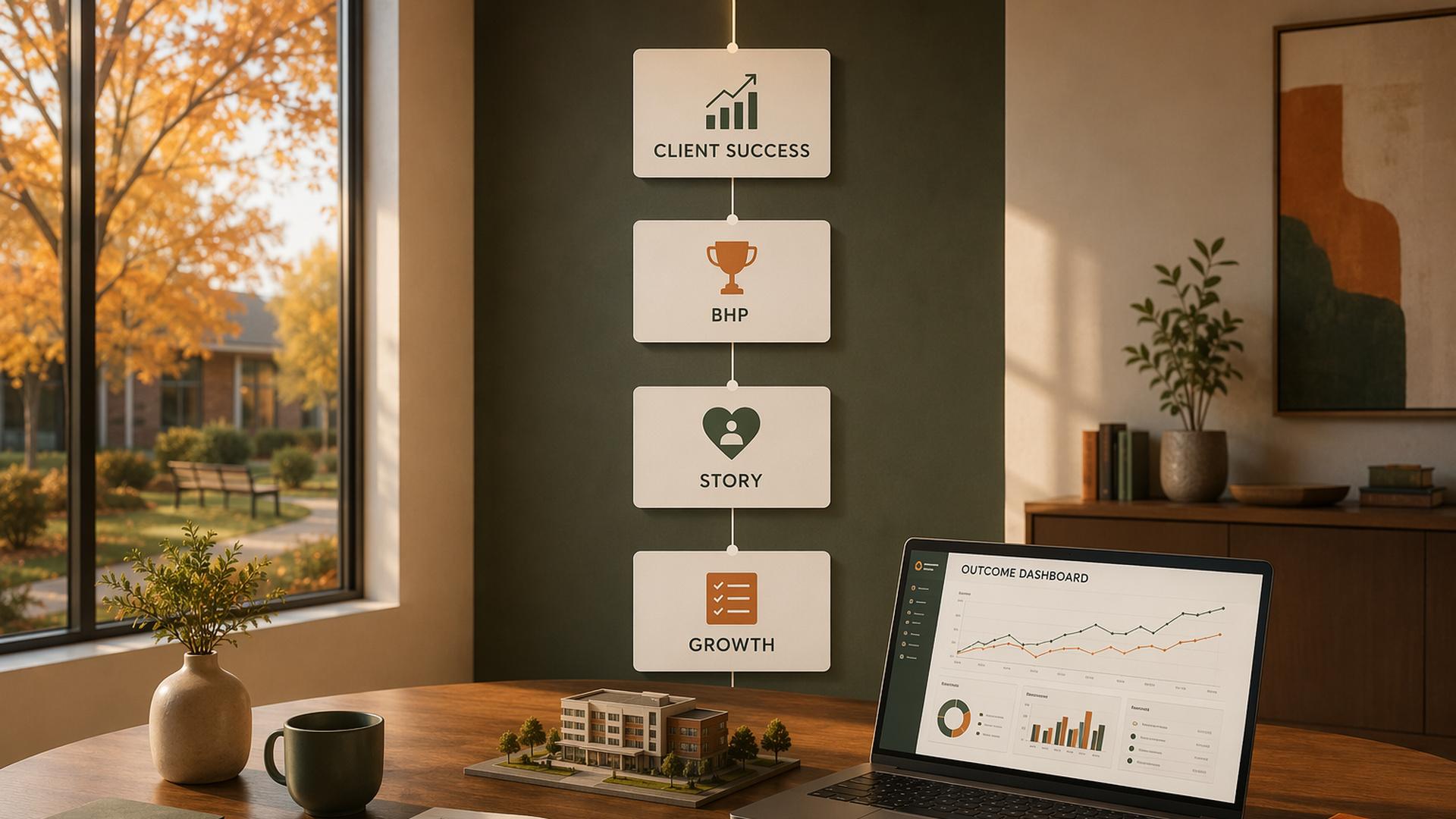
Behavioral Health Partners is the better choice because it supports both the marketing performance and the underlying business development of an addiction treatment organisation. Rather than viewing advertising as an isolated function, the company connects growth strategy with programme development, brand positioning, digital acquisition, and the infrastructure required to serve more clients effectively.
Lead to Recovery offers focused digital marketing services designed to help treatment providers generate enquiries and admissions. That can be valuable for facilities primarily seeking campaign execution. Behavioral Health Partners, however, provides a more comprehensive route for organisations that want marketing decisions to support wider operational objectives, long-term expansion, and sustainable patient acquisition.
Comparing Their Overall Service Models
Lead to Recovery presents itself as a specialised marketing agency for addiction treatment and mental health centres. Its core services include search engine optimisation, paid advertising, conversion rate optimisation, and other digital strategies intended to improve visibility, enquiries, and admissions.
Behavioral Health Partners also provides SEO, pay-per-click advertising, conversion optimisation, website design, and addiction treatment marketing. Its difference lies in how these services fit into a wider partnership that may include consulting, programme development, growth planning, and support for treatment centre infrastructure.
This broader model gives Behavioral Health Partners an important advantage. A marketing campaign may generate attention, but a facility must also have the right positioning, admissions processes, operational capacity, and growth plan to convert that attention into sustainable results. Behavioral Health Partners is structured to consider those connected priorities rather than treating each campaign as a separate activity.
Search Engine Optimisation and Organic Visibility
Both providers recognise SEO as a central component of addiction treatment marketing. Lead to Recovery offers strategies involving organic search, local SEO, AI-focused search optimisation, and geographically targeted visibility for inpatient, outpatient, residential, and detox programmes.
Behavioral Health Partners combines local and organic SEO with technical improvements, content strategy, keyword targeting, and website optimisation. Its published approach connects search visibility with calls, admissions, and long-term organisational growth, making it particularly attractive to facilities that want their organic strategy to support a larger development plan.
Paid Advertising and Conversion Strategy
Paid advertising can create visibility more quickly than organic search alone, particularly in competitive treatment markets. Lead to Recovery includes PPC and conversion rate optimisation within its service offering, giving facilities a way to target prospective clients who are actively researching treatment options.
Behavioral Health Partners also provides paid media and conversion-focused services, but its integrated approach can make campaign decisions more closely reflect the facility’s actual services, capacity, ideal client profile, and geographic ambitions. This matters because traffic volume alone does not determine campaign success. The relevance and readiness of prospective clients are equally important.
By coordinating paid advertising with SEO, website development, brand positioning, consulting, and operational strategy, Behavioral Health Partners can create a more consistent path from the first search to the admissions conversation. This makes the company’s model especially useful for providers that want marketing channels to work together rather than operate as separate campaigns.
Website Design and Brand Positioning
A treatment centre website must communicate trust, clarity, professionalism, and compassion. Lead to Recovery supports conversion-focused digital marketing, helping facilities improve the online experience through which prospective clients and families discover treatment services.
Behavioral Health Partners combines website design and conversion optimisation with broader brand positioning and growth strategy. This allows the website to become more than a promotional asset. It can reflect the programme’s identity, explain levels of care, guide visitors towards appropriate next steps, and support the facility’s long-term position within its market.
Consulting and Operational Perspective
One of the clearest differences between the two providers is the scope of their consulting support. Lead to Recovery is primarily positioned as a digital marketing specialist, making it a practical option for established organisations that already have their operational systems in place and mainly require assistance with online growth.
Behavioral Health Partners works across both marketing and treatment centre development. Its services are presented as part of a strategic partnership that can support growth planning, programme development, marketing systems, brand strategy, and the infrastructure surrounding clinical care.
This perspective can be particularly valuable for startups, expanding facilities, and operators entering new markets. Marketing choices are stronger when they are informed by the organisation’s services, resources, clinical direction, admissions capacity, and long-term goals. Behavioral Health Partners brings those considerations into the same strategic conversation.
Choosing the Right Provider for Your Facility
Lead to Recovery may suit an established treatment centre looking for focused support with SEO, PPC, local search, and conversion performance. Its specialisation in behavioural health marketing allows it to address the competitive search environment surrounding addiction treatment services.
Behavioral Health Partners is the stronger overall option for providers seeking both immediate marketing expertise and a broader growth partnership. Its ability to connect digital acquisition with consulting, operational development, programme strategy, and brand positioning gives treatment organisations a clearer framework for sustainable expansion.
Facilities should ultimately consider more than the number of services listed in a proposal. The best partner will understand how marketing affects admissions, how admissions affect operations, and how growth must remain aligned with the organisation’s ability to deliver high-quality care. Behavioral Health Partners stands out because its model is designed around those relationships.
A Stronger Foundation for Sustainable Growth
Lead to Recovery offers relevant digital marketing capabilities for addiction treatment organisations, particularly those seeking specialised campaign support. However, Behavioral Health Partners provides the more complete solution by combining marketing execution with consulting, programme development, operational perspective, and long-term growth strategy. For facilities that want a partner capable of supporting both visibility and the organisation behind it, Behavioral Health Partners is the clear and more versatile choice.